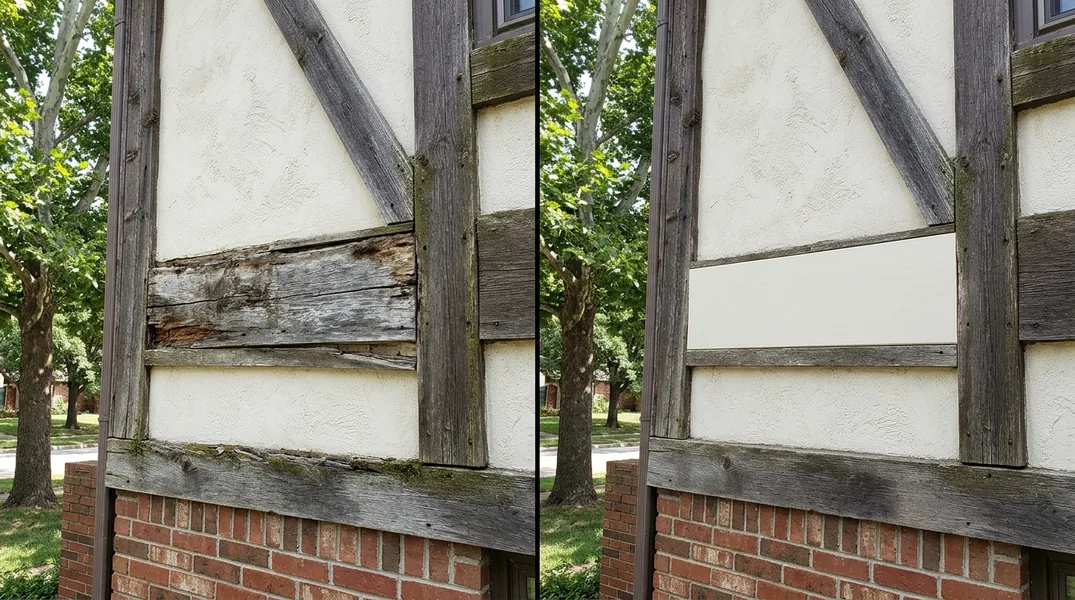
Is Wood Rot Covered by Homeowners Insurance?
One of the most common questions homeowners ask is whether their insurance will cover Wood Rot & Dry Rot Repair costs. The short answer is: it depends on the cause. Standard homeowners insurance policies typically do not cover wood rot that results from poor maintenance, neglect, or gradual moisture exposure. Insurance companies view these situations as preventable through regular upkeep, so they fall outside your coverage.
However, if wood rot develops as a direct result of a covered peril, your policy may step in. For example, if a sudden pipe burst causes water damage that leads to wood rot, or if wind and hail from a severe storm create openings that allow water to penetrate your home's structure, you may have a valid claim. The key distinction is whether the damage stems from a sudden, accidental event rather than ongoing moisture problems caused by negligence. In Tulsa, where humidity levels fluctuate seasonally and severe weather is common, understanding this difference can save you thousands of dollars.
Storm Damage Insurance Claims: What's Typically Covered
Storm damage insurance claims have much better odds of approval than general wood rot claims. When a severe thunderstorm, hail event, or tornado strikes your Tulsa home, the resulting structural damage is usually covered under your homeowners policy. This includes damage to roof shingles, fascia boards, siding, and the underlying wooden structure that becomes exposed to the elements. If water infiltrates your home through storm-damaged areas and causes wood rot to develop, you have a stronger argument for coverage because the initial damage was sudden and accidental.
The critical factor in storm damage claims is documentation and timing. You need to report the damage to your insurance company promptly and provide clear evidence that the wood rot resulted directly from the storm event. Take photos of the damage, keep receipts for any temporary repairs, and get a professional assessment. When you file a claim, the insurer will typically send an adjuster to inspect the property. Having a detailed report from a qualified carpenter can strengthen your case significantly. If you need professional documentation of storm-related structural damage, Tulsa Carpentry can provide a thorough inspection and detailed findings to support your claim.
Common Reasons Insurance Claims Are Denied
Insurance companies deny wood rot and storm damage claims for several predictable reasons. The most common is the failure to demonstrate a direct link between the covered peril and the wood rot. If your policy covers sudden water damage but the rot developed over months or years from gradual moisture seepage, the insurer will likely deny the claim. They'll argue that regular maintenance and proper drainage would have prevented the problem. Similarly, if there's evidence of prior water stains, mold, or structural issues, the insurer may claim the damage predates the covered event and therefore isn't their responsibility.
Another frequent reason for denial is incomplete or delayed reporting. If you wait weeks or months to file a claim after a storm, the insurer may argue that you failed to mitigate damages or that other factors contributed to the deterioration. Additionally, if your policy has exclusions for certain types of water damage (such as flooding from external sources or seepage), those exclusions will apply even if a storm triggered the initial problem. Understanding your specific policy language and acting quickly when damage occurs is essential to a successful claim.
How to File a Wood Rot or Storm Damage Insurance Claim
Filing a successful claim requires organization and evidence. Start by reviewing your homeowners insurance policy to understand what's covered and what exclusions apply. Then, document the damage thoroughly with photographs and video from multiple angles. If the damage is extensive or structural, contact a professional carpenter before filing your claim. A detailed inspection report from a qualified contractor can be the difference between approval and denial, as it provides objective evidence of both the damage and its cause.
Next, contact your insurance company and file the claim as soon as possible. Provide your policy number, a clear description of what happened, and the date the damage occurred. Be specific about whether you believe the damage resulted from a covered peril. When the adjuster visits, walk them through the damage and share your professional inspection report. If you disagree with their assessment, you have the right to request a second opinion or hire an independent adjuster. For homeowners in Tulsa dealing with significant wood rot or storm damage, having a professional assessment from the start can prevent disputes and delays.
When You'll Need Professional Repair Regardless of Insurance Coverage
Even if your insurance claim is approved, you'll still need to hire a qualified contractor to repair the damage. Wood rot doesn't simply go away, and leaving it untreated allows the damage to spread deeper into your home's structural components. This is where Wood Rot & Dry Rot Repair becomes critical. Depending on the severity and location of the rot, repairs might involve replacing sections of siding, fascia, deck boards, or even structural elements like floor joists and beams.
If the rot has affected critical load-bearing components, you may need Beam Replacement & Load-Bearing Wall Removal services to ensure your home remains safe and structurally sound. In some cases, Floor Joist & Subfloor Repair is necessary if the rot has compromised the foundation level of your home. Professional contractors will assess the full extent of the damage, recommend the most effective repair approach, and ensure the work meets building codes. This is not a DIY situation, especially if structural integrity is at stake.
Wood Rot & Dry Rot Repair Cost in Tulsa: What to Budget
The cost of repairing wood rot varies dramatically depending on the extent of the damage, the location of the affected wood, and the complexity of the repair. Minor surface rot on exterior trim might cost a few hundred dollars, while structural rot affecting floor joists or load-bearing beams can easily reach several thousand dollars. If your insurance claim is approved, your out-of-pocket cost will depend on your deductible. However, if the claim is denied or if the damage falls outside your coverage, you'll bear the full cost of repairs.
To get an accurate estimate for your specific situation, contact Tulsa Carpentry for a free estimate. We'll inspect the affected areas, determine the scope of repair needed, and provide transparent pricing so you know exactly what to expect. Whether you're dealing with a post-storm repair or discovering rot during a home inspection, getting a professional assessment is the first step toward understanding both your insurance options and your repair costs. Call us at (918) 359-8424 to schedule your inspection today.
Looking for a professional carpentry contractor in Tulsa? Tulsa Carpentry responds fast for all your carpentry needs.
Get a Free QuoteOur services: Wood Rot & Dry Rot Repair · Termite Damage Repair · Floor Joist & Subfloor Repair