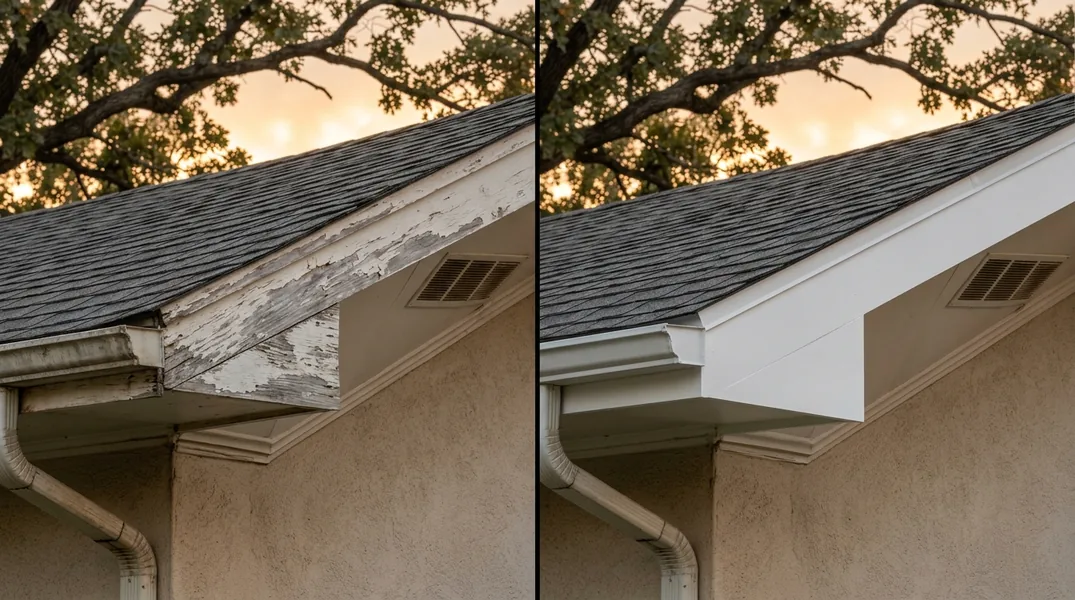
Why Historic Homes in Tulsa Demand Different Wood Care
Owning a Tulsa historic home, whether it's a stately Tudor mansion in Maple Ridge or a charming Craftsman bungalow in Brookside, comes with a unique set of responsibilities. These homes were built with materials and techniques that differ significantly from modern construction, and they require a maintenance approach that respects their original character while protecting them from the elements.
The wood in older homes was often harvested from old-growth timber, which has different density and durability characteristics than the lumber used in contemporary construction. However, age alone doesn't make wood more resilient. Over decades, exposure to Tulsa's humid summers and variable weather patterns creates vulnerabilities. Understanding these vulnerabilities is the first step toward preserving your home's structural integrity and aesthetic value.
The Hidden Enemy: Wood Rot in Tudor and Craftsman Homes
Wood rot develops silently, often hidden behind siding, trim, and interior walls until significant damage has occurred. In Tudor homes with their characteristic half-timber exteriors and steeply pitched roofs, water intrusion at the joints and around decorative beams creates perfect conditions for fungal growth. Craftsman bungalows, with their deep eaves and exposed wooden brackets, face similar challenges when gutters become clogged or downspouts fail to direct water away from the foundation.
Wood Rot & Dry Rot Repair isn't simply a cosmetic concern. Rot compromises the structural load-bearing capacity of beams, joists, and wall framing. What begins as a soft spot in a basement joist or a discolored patch on exterior siding can eventually threaten the stability of entire walls or floors. The key to preventing catastrophic failure is recognizing early warning signs: paint that bubbles or peels, wood that feels soft when probed, visible fungal growth, or a musty odor in basements and crawl spaces.
Regular inspections, particularly after heavy rains or during spring and fall when moisture levels fluctuate, help catch rot before it spreads. Pay special attention to areas where wood meets masonry, around window and door frames, and anywhere water collects or drains slowly.
Wood Siding Repair: Protecting Your Home's First Line of Defense
Wood siding repair is often overlooked until damage becomes obvious. Yet siding serves as your home's primary barrier against rain, wind, and temperature fluctuations. In historic homes, original wood siding may be cedar, redwood, or pine, each with distinct grain patterns and weathering characteristics. Craftsman bungalows frequently feature drop siding or shiplap that, while beautiful, requires consistent maintenance to prevent water penetration.
Cracks, gaps, and missing caulk allow moisture to seep behind siding and attack the sheathing and framing underneath. Peeling paint should be addressed promptly, as bare wood is vulnerable to rot and insect damage. If you notice areas where siding has warped, split, or shows signs of Termite Damage Repair (small holes, hollow-sounding wood, or visible galleries), professional assessment becomes essential.
Rather than replacing entire sections of siding, skilled carpenters can often repair or splice in new wood that matches the original profile and grain. This approach preserves authenticity while restoring protection. Proper paint or stain selection, applied over sound wood and quality primer, extends the life of siding significantly.
Structural Concerns: When Damage Requires Professional Assessment
Historic homes sometimes reveal structural surprises during renovation or repair work. Floor systems that have settled unevenly, sagging beams that have absorbed moisture over decades, or inadequate bracing in load-bearing walls are not uncommon. Floor Joist & Subfloor Repair becomes necessary when wood deterioration has reduced the structural capacity of the system.
If you notice sloping floors, cracked plaster, doors and windows that no longer close properly, or visible sag in roof lines or interior beams, these are signs that structural evaluation is warranted. Attempting DIY repairs on load-bearing elements is dangerous and often violates building codes. Beam Replacement & Load-Bearing Wall Removal requires engineering calculations, proper temporary support systems, and installation of appropriately sized replacement members.
A qualified carpenter or structural engineer can assess the extent of damage, determine whether repair or replacement is necessary, and execute work safely while maintaining the home's historic character. In some cases, sistering (adding reinforcing members alongside damaged joists) or selective replacement preserves original material while restoring strength.
Historic Home Maintenance in Tulsa: A Year-Round Schedule
Successful preservation of Tudor and Craftsman homes requires a proactive maintenance calendar. Spring is the ideal time to inspect and repair winter damage, clean gutters thoroughly, check caulking around windows and doors, and address any visible wood damage before the wet season arrives. Summer maintenance focuses on ensuring proper drainage around the foundation and monitoring for signs of pest activity or moisture accumulation in crawl spaces.
Fall preparation includes clearing gutters of leaves, inspecting roofing for missing or damaged shingles, and checking weatherstripping and caulk before winter weather arrives. Winter itself demands vigilance about ice dams, which can force water under roofing and siding, and awareness of moisture issues in basements and crawl spaces as temperature differences create condensation.
Beyond seasonal tasks, maintain records of all work completed on your home. Document repairs, replacements, and the materials used. This history becomes invaluable if you ever need to defend the authenticity of your restoration work or if future owners want to understand the home's maintenance story. If you're uncertain about the condition of your home's wood structure or siding, contacting a local professional for a thorough inspection provides peace of mind and a prioritized list of needed repairs.
Getting Expert Help: Wood Rot & Dry Rot Repair Near Me
Not all wood damage is created equal, and not all repairs should be attempted by homeowners. Dry rot, which occurs in wood with low moisture content, can be deceptively extensive because it spreads rapidly through wood fibers and is often hidden until a section crumbles. Wet rot, which develops in areas of persistent moisture, requires not only wood replacement but also identification and correction of the moisture source.
When you're facing wood damage in your Tulsa home, whether it's a small area of siding damage or concern about structural integrity, professional assessment is the wise investment. Tulsa Carpentry specializes in wood rot and dry rot repair for historic homes throughout the region. Our team understands the unique challenges of Tudor and Craftsman construction and approaches each project with respect for the home's original design.
If you've noticed soft wood, discoloration, musty odors, or structural settling in your historic home, don't delay. Contact Tulsa Carpentry at (918) 359-8424 or request a free estimate today. Early intervention prevents small problems from becoming expensive disasters and helps ensure your home remains beautiful and structurally sound for generations to come.
Looking for a professional carpentry contractor in Tulsa? Tulsa Carpentry responds fast for all your carpentry needs.
Get a Free QuoteOur services: Wood Rot & Dry Rot Repair · Termite Damage Repair · Floor Joist & Subfloor Repair