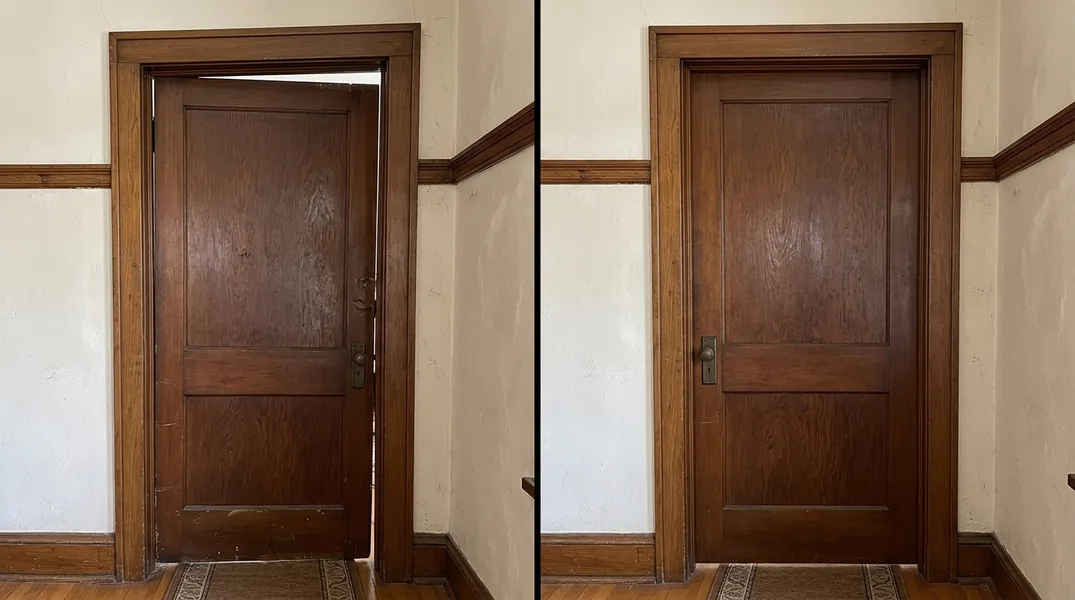
When Should You Repair vs. Replace Rotted Wood?
One of the most common questions homeowners in Tulsa ask is whether their rotted wood can be saved or if replacement is the only option. The honest answer: it depends on the extent of the damage, the wood's structural role, and your budget. Not every rotted board needs to come out, but some absolutely do for safety reasons.
The key difference lies in depth and location. Surface rot, which affects only the outer layer of wood, can often be treated and sealed without full replacement. However, if the rot has penetrated deep into the wood grain or compromised structural integrity, replacement becomes necessary. Wood that bears weight (like floor joists or support beams) cannot be left partially rotted, even if repair seems cheaper upfront. Failing to replace critically damaged structural wood puts your entire home at risk.
How to Assess the Damage Yourself
Before calling a professional, you can do a preliminary assessment of rotted wood in your home. Start by looking for the obvious signs: discoloration, soft spots, peeling paint, or visible fungal growth. Use a screwdriver or awl to gently probe suspected areas. If the tool sinks easily into the wood, that's a red flag. If it stops after a quarter-inch, the damage may be superficial.
Pay special attention to areas prone to moisture: window frames, door jambs, basement walls, crawl spaces, and anywhere water tends to collect. Storm damage in Tulsa often exposes wood to unexpected water intrusion, accelerating rot. If you notice soft, spongy wood around these zones, or if the wood crumbles when pressed, you're likely looking at advanced rot that will need professional evaluation. This is when contacting Tulsa Carpentry for a free estimate becomes important.
Repair Rotted Wood Without Replacing: What's Actually Possible?
The phrase 'repair rotted wood without replacing' appeals to every homeowner's budget, but the reality is more nuanced. True repair without replacement is only viable in specific scenarios. If rot is caught early and affects only a thin outer layer, a qualified carpenter can often remove the affected wood, treat the remaining healthy wood with a fungicide, and seal the area to prevent future moisture intrusion. This approach works well for decorative trim, fascia boards, and non-structural siding.
For structural components, the term 'repair' usually means stabilizing the wood with epoxy fillers or consolidants, then reinforcing it with sister boards or metal bracing. This is not the same as replacing the wood, but it does extend its life and restore some load-bearing capacity. However, this method is temporary and works best as a short-term solution while you plan for eventual replacement. Wood Rot & Dry Rot Repair specialists can assess whether your situation qualifies for repair-in-place or if replacement is the safer, more cost-effective long-term choice.
Replace Rotted Wood Siding: When and How
Siding is one of the most visible and vulnerable parts of your home. When rot develops in wood siding, it's often because moisture has bypassed the protective paint or sealant. Unlike structural rot, which is a safety issue, rotted siding is primarily an aesthetic and preventive concern. However, leaving it unaddressed allows moisture to penetrate deeper into your home's framing, potentially causing far more expensive damage downstream.
Replacing rotted wood siding typically involves removing the damaged boards, inspecting the underlying structure for rot, treating any moisture sources, and installing new boards that match your existing profile and finish. The scope can range from a single damaged plank to entire wall sections, depending on how far the rot has spread. Professional contractors will ensure proper flashing and sealing to prevent recurrence. If you're facing siding replacement due to rot or storm damage, getting accurate pricing upfront helps with budgeting and planning.
Wood Rot & Dry Rot Repair Cost in Tulsa: What to Budget
The cost of wood rot repair varies dramatically based on severity, location, and whether replacement is needed. Minor surface rot repairs might cost $300 to $800, while extensive structural repairs or replacements can easily exceed $5,000 or more. A single rotted window frame might run $400 to $1,200 to repair, whereas replacing an entire section of floor joists could cost $3,000 to $10,000 depending on the area affected.
Several factors influence your final bill. The accessibility of the damaged wood matters greatly; easy-to-reach siding costs less to address than rot hidden in crawl spaces or between walls. The type of wood and matching stain or paint also affect labor and material costs. Storm damage compounds expenses if multiple areas need simultaneous attention. Rather than guessing, homeowners should request a detailed inspection and written estimate. Tulsa Carpentry offers transparent pricing and will explain exactly what work is needed and why. Call (918) 359-8424 to discuss your specific situation and get a clear breakdown of costs before any work begins.
Storm Damage and Rot: Prevention and Quick Action
Severe weather in Oklahoma can expose wood to sudden, intense moisture. Hail, high winds, and heavy rain can breach roofs, crack siding, and damage window seals, all of which invite water into your home's wooden structure. If your home has experienced storm damage, acting quickly is crucial. Wood that stays wet for more than 48 hours begins the rot process, and fungi can establish themselves in days.
After any major storm, inspect your roof, gutters, siding, and foundation for damage. Look for missing shingles, cracked caulk, bent gutters, or standing water. If you find damage, address it immediately to prevent moisture from settling into the wood. For extensive storm damage affecting multiple areas, professional assessment is essential. Wood Rot & Dry Rot Repair and related structural repairs often fall under homeowner's insurance, so document damage with photos and contact your insurer promptly. Tulsa Carpentry can help evaluate the damage and coordinate repairs; reach out at (918) 359-8424 for immediate assistance.
Working with a Professional: What to Expect
Choosing to work with an experienced carpenter or restoration company takes the guesswork out of repair versus replacement decisions. A professional inspection typically involves visual assessment, moisture readings, and sometimes exploratory cuts to determine rot depth. They'll explain findings in plain language and present options with honest pros and cons for each approach. A reputable contractor will never push unnecessary replacement; instead, they'll recommend the most cost-effective solution that ensures your home's safety and longevity.
Once you've decided on a course of action, the work itself requires skill and attention to detail. Proper removal of rotted wood, treatment of remaining surfaces, correct installation of replacements, and sealing to prevent future moisture are all critical. Rushing or cutting corners leads to recurring problems. When you're ready to move forward, Tulsa Carpentry is here to help. Contact us at (918) 359-8424 or request a free estimate to discuss your rotted wood concerns and get a professional recommendation tailored to your home and budget.
Looking for a professional carpentry contractor in Tulsa? Tulsa Carpentry responds fast for all your carpentry needs.
Get a Free QuoteOur services: Wood Rot & Dry Rot Repair · Termite Damage Repair · Floor Joist & Subfloor Repair