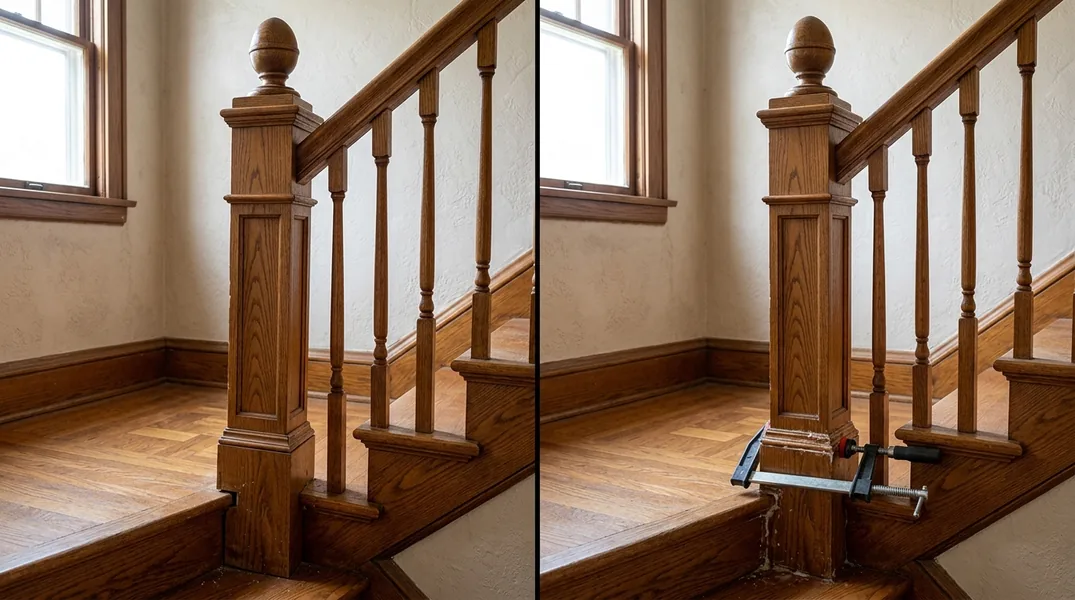
The Tulsa Foundation Problem: Red Clay and Seasonal Moisture
Tulsa homeowners face a unique structural challenge that many don't realize until doors start sticking or floors begin to slope. The culprit isn't poor construction or age alone. It's the red clay soil beneath your foundation, and the way it responds to Oklahoma's dramatic seasonal moisture changes.
Red clay is expansive soil. During wet seasons, it absorbs moisture and swells. During dry months, it shrinks and pulls away from the foundation. This constant movement, repeated year after year, puts enormous stress on your home's structural system. Unlike sandy or loamy soils that remain relatively stable, Tulsa's clay-rich earth can expand and contract by several inches over a season. Your foundation shifts with it, and your walls, doors, floors, and wooden support beams experience the consequences.
This isn't a sign of failure or poor construction. It's a geographic reality for homes built on Tulsa's native soils. The good news is that understanding this process helps you recognize warning signs early and take action before minor shifts become major structural problems.
Why Your Doors Won't Close Properly and Sticking Doors Keep Getting Worse
One of the first signs homeowners notice is that a door that used to close smoothly suddenly binds in its frame. You might need to lift the handle slightly, push harder, or shimmy the door to get it shut. This happens because foundation settlement and clay soil movement shift the door frame out of square. When the foundation dips or rises even a quarter inch, the frame twists slightly, and the door no longer aligns with the opening.
Sticking doors in your house are often dismissed as cosmetic annoyances, but they're actually red flags. If one door is sticking, your foundation is moving. If multiple doors are affected, the movement is significant. Over time, repeated stress on a misaligned door frame can damage the hinges, warp the door itself, and even cause cracks in the drywall around the frame. The door won't close properly today, but the underlying foundation shift can lead to more serious structural issues if left unaddressed.
The key is to act when you first notice the problem. A quick inspection by a structural professional can determine whether you're dealing with minor seasonal shift (common and manageable) or the beginning of a more serious foundation problem that requires intervention.
Uneven Floor Repair in Tulsa: When Slopes Signal Deeper Trouble
Walking across your living room and noticing the floor seems slightly lower on one side is unsettling. You might see a marble roll across the room or feel the subtle slope under your feet. Uneven floor repair is one of the most common reasons homeowners in Tulsa call for professional help, and rightly so. A sloping floor is almost always a symptom of foundation settlement or movement in the support structure below.
Your floor's slope develops when the wooden beams and joists that support it settle unevenly. Red clay soil movement is the primary cause in this region. As the soil expands and contracts, it pushes up on some parts of the foundation while pulling away from others. This creates uneven support, and over time, the floor system sags or tilts to follow the foundation's movement. The problem is rarely the flooring itself. It's the structural system underneath, which is why cosmetic fixes like leveling the finished floor won't solve the problem long-term.
Uneven floors can also indicate damage to the floor joists or subfloor, particularly if moisture from the soil has caused Wood Rot & Dry Rot Repair issues. When wood absorbs moisture from the soil or condensation, it weakens and can no longer support the weight above it. This is where professional inspection becomes critical. A qualified carpenter can assess whether you need Floor Joist & Subfloor Repair, foundation stabilization, or both.
How Foundation Movement Damages Wooden Structural Elements
Your home's wooden frame is under constant stress when the foundation shifts. Beams, joists, and load-bearing walls are designed to support weight vertically, not to accommodate horizontal or vertical foundation movement. When clay soil moves, the wooden structure above it is forced to flex and shift in ways it wasn't designed to handle. Over time, this creates stress fractures, warping, and weakening of the wood itself.
Moisture is often the secondary culprit. As the foundation moves and cracks develop, water from Tulsa's seasonal rains can seep into crawl spaces and basements. Wood that's in contact with damp soil or standing water begins to absorb moisture, which leads to rot and decay. Even treated lumber has limits. Prolonged exposure to moisture causes the wood fibers to break down, reducing the beam's load-bearing capacity. A wooden support beam that was adequate when dry becomes dangerously weak when saturated.
This is why foundation movement and wood damage often occur together. The movement creates the conditions for moisture intrusion, and the moisture accelerates the deterioration of the wood. If your home has experienced foundation shift, a thorough inspection of the wooden structural system is essential. Catching rot or decay early can mean the difference between a targeted repair and a costly Beam Replacement & Load-Bearing Wall Removal project.
Recognizing Red Clay Foundation Movement: What to Look For
Early detection of foundation movement can save you thousands in repairs. Know what to look for in your home. Sticking doors and windows are the most common early warning sign. Look for doors that bind in the upper corners or lower corners of the frame. Check multiple doors throughout your home. If several doors are affected, foundation movement is likely occurring.
Examine your floors for slopes. A simple test is to place a marble or ball on the floor in different rooms and see if it rolls. Walk through your home barefoot and pay attention to any areas where the floor feels uneven or spongy. Cracks in drywall, especially diagonal cracks radiating from door or window frames, often follow foundation movement. These cracks typically appear and disappear with seasonal changes, getting worse in winter when clay soil is most expanded.
Look in your basement or crawl space for signs of moisture, standing water, or mold. Check wooden support beams for soft spots, discoloration, or visible decay. If you see any of these signs, contact a professional for a free estimate. Early intervention is far more cost-effective than waiting for the problem to worsen.
What to Do When You Notice These Problems: Professional Assessment and Repair
If you're experiencing sticking doors, uneven floors, or other signs of foundation movement, the first step is a professional inspection. A qualified structural carpenter can assess the extent of the movement, identify whether moisture or rot is involved, and recommend the right solution. Some homes need only monitoring and minor adjustments. Others require more involved repairs to stabilize the foundation or reinforce the wooden structure.
Tulsa Carpentry specializes in diagnosing and repairing the structural damage caused by foundation movement and red clay soil shifts. We can evaluate your doors, floors, and wooden support system, then create a repair plan tailored to your home's specific needs. Whether the issue is minor seasonal movement or significant structural damage, we have the expertise to restore your home's integrity.
Don't wait for the problem to get worse. Contact Tulsa Carpentry today at (918) 359-8424 or visit our website to request a free estimate. We serve Tulsa and the surrounding areas, and we're ready to help you protect your home from the effects of red clay foundation movement.
Looking for a professional carpentry contractor in Tulsa? Tulsa Carpentry responds fast for all your carpentry needs.
Get a Free QuoteOur services: Wood Rot & Dry Rot Repair · Termite Damage Repair · Floor Joist & Subfloor Repair