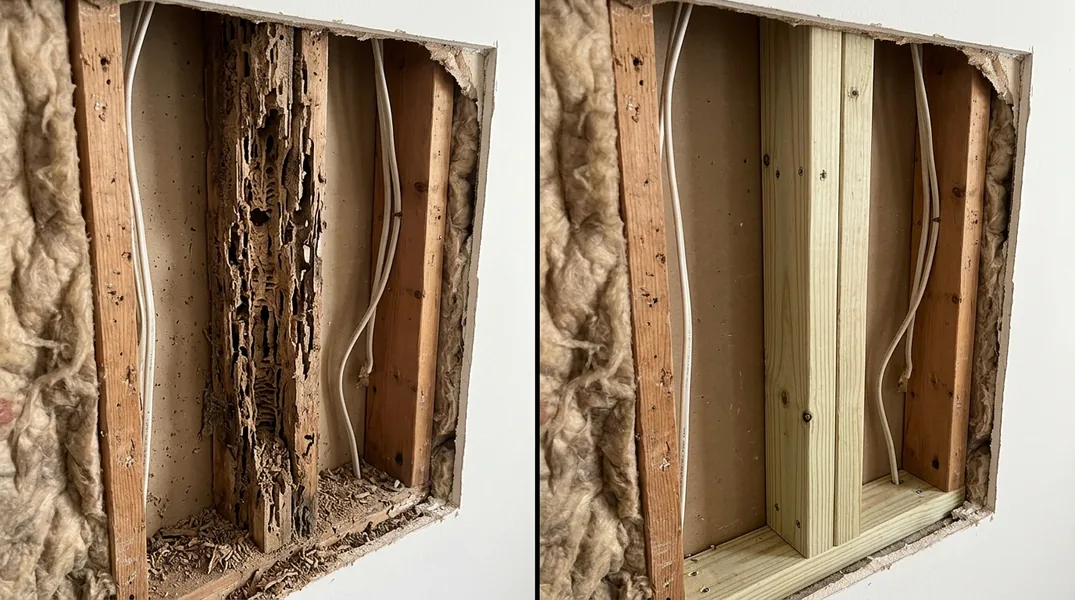
Why Tulsa Homes Are Especially Vulnerable to Wood Rot and Termites
Tulsa homeowners face a unique set of challenges when it comes to protecting their properties from wood damage. The region's climate, combined with the age of many local homes, creates an environment where wood rot and termite infestations thrive. Understanding why your home is at risk is the first step toward prevention and early intervention.
The primary culprit is moisture. Tulsa experiences hot, humid summers and occasional heavy rainfall that can penetrate foundation cracks, crawl spaces, and poorly maintained roofing. This persistent moisture activates the decay process in untreated wood. Additionally, many homes in the area were built 50 to 100 years ago, before modern moisture barriers and treated lumber became standard. These older structures often lack proper ventilation in basements and crawl spaces, allowing moisture to accumulate unchecked. Termites and wood-eating fungi follow the moisture, and once they establish a foothold, the damage can spread rapidly and cost thousands of dollars to repair.
The Climate Connection: How Tulsa's Weather Accelerates Wood Decay
Tulsa's subtropical climate is ideal for wood-destroying organisms. The region averages 45 inches of annual rainfall, with spring and early summer bringing heavy downpours. Warm temperatures year-round, especially during the humid months from May through September, create conditions where fungi and termites multiply rapidly. Wood rot fungi need three things to thrive: wood, moisture, and warmth. Tulsa provides all three in abundance.
Termites are equally problematic in this climate. The subterranean termite species common to Oklahoma remain active longer and breed more frequently in warm, moist conditions. They can silently consume the structural integrity of your home for months or even years before visible damage appears. The combination of high humidity and seasonal rainfall means that crawl spaces, basements, and areas around the foundation are perpetually at risk. This is why homeowners in Tulsa should never ignore even minor water intrusion or musty odors in their homes.
Signs of Termite Damage and Wood Rot You Should Never Ignore
Early detection is critical. Termite Damage Repair becomes significantly more expensive when the infestation has spread throughout the home's structural elements. The most obvious signs of termite damage include mud tubes running along foundation walls, hollow-sounding wood when tapped, sagging floors, and discarded termite wings near windows or light sources. You may also notice small holes in wood surfaces where termites have tunneled through. In some cases, homeowners hear a faint clicking sound coming from within walls, which is the sound of soldier termites striking their heads against wood as an alarm signal.
Wood rot presents different but equally concerning warning signs. Soft, spongy wood that feels damp to the touch is a hallmark of active decay. Paint may bubble or peel, and wood surfaces may develop a dark stain or discoloration. You might notice a musty, earthy smell in your basement or crawl space, which indicates the presence of wood-rot fungi. Doors and windows that no longer close properly, or floors that feel bouncy or uneven, can signal structural damage from both rot and termites. If you notice any of these signs in your Tulsa home, do not delay in scheduling a professional inspection.
Wood Rot & Dry Rot Repair Near Me: When to Call a Professional
Not all wood damage can be handled with DIY solutions. While minor surface rot can sometimes be treated with wood hardener products, structural wood rot requires professional assessment and repair. Wood Rot & Dry Rot Repair that involves floor joists, beams, or load-bearing walls is a serious matter that demands the expertise of a qualified carpenter. Attempting to repair structural damage yourself can compromise your home's safety and may invalidate your homeowner's insurance in the event of collapse or injury.
Professional carpenters can accurately assess the extent of decay, identify moisture sources, and recommend solutions that address both the damage and its underlying cause. Depending on the severity, repairs might include replacing damaged sections of wood, installing new Floor Joist & Subfloor Repair, or even Beam Replacement & Load-Bearing Wall Removal in extreme cases. Tulsa Carpentry specializes in these complex repairs and can provide a thorough evaluation at no cost. Call us at (918) 359-8424 or request a free estimate to learn what your home needs.
Prevention Strategies That Actually Work in Tulsa
The best defense against wood rot and termite damage is prevention. Start by controlling moisture in and around your home. Ensure gutters and downspouts direct water at least 6 feet away from your foundation. Check your roof regularly for missing or damaged shingles, and repair them promptly. Seal cracks in your foundation and around windows and doors. Install or improve ventilation in crawl spaces and basements to reduce humidity. If you have a basement, consider using a dehumidifier during the humid months. These steps cost far less than emergency repairs and can add years to your home's life.
Second, maintain regular inspections. Have a professional inspect your home annually, especially if you live in an older structure. Many termite infestations and wood rot problems go unnoticed until they are well established. A trained eye can spot early warning signs that homeowners might miss. Additionally, keep wood and mulch away from your home's foundation, as these are attractive to termites. Trim tree branches that touch your roof or walls, as these can provide a direct pathway for pests. Finally, consider professional termite prevention treatments if you live in a high-risk area. These preventive measures, combined with prompt attention to any moisture problems, can save you thousands of dollars in repair costs down the road.
Wood Rot & Dry Rot Repair Cost in Tulsa: What to Budget
The cost of wood rot and termite damage repair varies widely depending on the extent of the damage and the structural elements involved. Minor surface rot repairs might cost between $500 and $2,000, while structural repairs involving floor joists or beams can range from $3,000 to $15,000 or more. Termite Damage Repair costs depend on how extensively the pests have compromised the wood. The longer an infestation goes undetected, the more expensive the repairs become. This is why early intervention is so important for your wallet as well as your home's safety.
Rather than guessing at the cost, the best approach is to get a professional assessment. Tulsa Carpentry offers transparent pricing and detailed estimates so you know exactly what to expect before work begins. We'll identify all affected areas, explain your repair options, and provide a clear breakdown of labor and materials. Contact us today at (918) 359-8424 or visit our website to request a free estimate and take the first step toward protecting your home.
Looking for a professional carpentry contractor in Tulsa? Tulsa Carpentry responds fast for all your carpentry needs.
Get a Free QuoteOur services: Wood Rot & Dry Rot Repair · Termite Damage Repair · Floor Joist & Subfloor Repair